Why Activating McAfee Within 24 Hours of Purchase Could Be the Difference Between Safety and a Zero-Day Breach
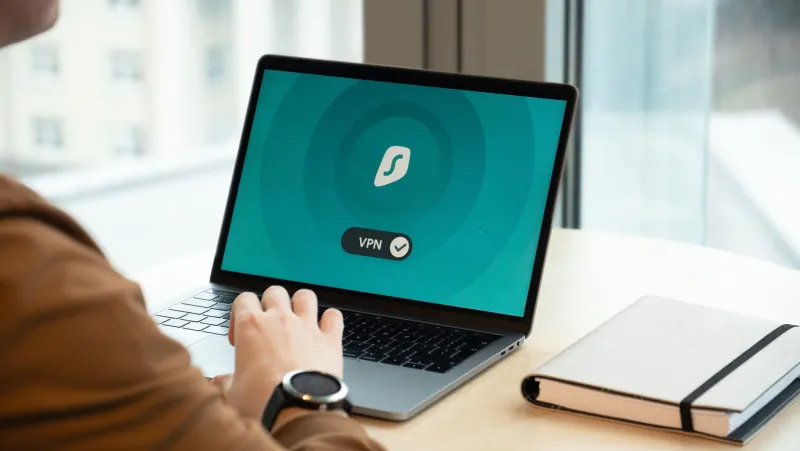
Most Americans purchase antivirus software with the best of intentions. The box sits on the desk, the download link waits in the inbox, and the activation code remains unused — sometimes for days. What many users do not realize is that this window of inactivity is precisely when cybercriminals are most active. In 2024, the threat landscape has shifted dramatically, and zero-day vulnerabilities — security flaws exploited before developers can issue a patch — have become one of the most dangerous categories of cyberattack facing everyday consumers and businesses alike.
Proper McAfee activation is not merely a formality. It is the foundational step that connects your device to McAfee's global threat intelligence network, enabling real-time updates, automatic patch deployment, and the kind of proactive defense that keeps pace with attacks that are, by definition, brand new.
Understanding Zero-Day Exploits and Why Timing Matters
A zero-day exploit refers to a cyberattack that leverages a previously unknown software vulnerability — one that the software vendor has had zero days to address. According to data published by the Cybersecurity and Infrastructure Security Agency (CISA), zero-day vulnerabilities increased in both frequency and sophistication throughout 2023 and into 2024, with threat actors deploying them against consumer endpoints at a rate that outpaces traditional signature-based defenses.
The critical factor here is update latency. When McAfee releases a security patch or updated threat definition in response to a newly discovered vulnerability, that update is pushed first to registered, active users. Devices with unregistered or inactive licenses sit in a queue — or receive no update at all — until the user completes the activation process. In a zero-day scenario, that delay can be measured not in hours but in the severity of damage inflicted.
Registered McAfee users benefit from the company's Global Threat Intelligence (GTI) network, a cloud-based system that processes billions of threat indicators daily. Without an active, registered license, your installation cannot fully communicate with GTI, leaving it reliant on locally cached definitions that may already be outdated by the time you open your laptop.
The Real Cost of Delayed Registration: What the Data Shows
Breaches stemming from unpatched endpoints are not abstract statistics. The 2023 Verizon Data Breach Investigations Report found that a significant percentage of successful cyberattacks exploited known vulnerabilities for which patches were available but had not been applied. While not all of these cases involved consumer antivirus software, the underlying principle is consistent: unregistered and improperly configured security tools create exploitable gaps.
For American households, the consequences are tangible. Ransomware attacks targeting home users rose sharply in 2023, with average ransom demands for individuals reaching into the thousands of dollars. Spyware and credential-harvesting malware, often delivered through phishing campaigns, have become sophisticated enough to bypass basic, definition-stale defenses. The common thread in many of these incidents is a security solution that was installed but never fully activated or connected to its update infrastructure.
McAfee's architecture is designed to close this gap — but only when activation is completed correctly and promptly.
Step-by-Step: Activating Your McAfee License Within 24 Hours
The following checklist is intended for new McAfee users. Completing these steps within 24 hours of purchase ensures maximum protection from the moment your device is at risk.
Step 1: Locate Your Activation Code Your 25-character product key is found either on the retail card inside the box or in the confirmation email sent at the time of digital purchase. Do not discard this email or card — it is your proof of license.
Step 2: Navigate to the Official Activation Portal Open your browser and go to the official McAfee activation page. Avoid third-party sites that mimic the activation interface, as these are common vectors for credential theft. The legitimate portal will prompt you to sign in or create a McAfee account.
Step 3: Create or Sign Into Your McAfee Account If you are a new user, create an account using a secure email address and a strong, unique password. Your McAfee account is the hub through which all updates, device registrations, and subscription renewals are managed. Use an email address you check regularly, as security alerts and critical update notifications will be delivered there.
Step 4: Enter Your Activation Code Input the 25-character key exactly as it appears, including hyphens. The portal will validate the code and associate the license with your account.
Step 5: Download and Install the Software Follow the on-screen prompts to download the McAfee installer appropriate for your operating system — Windows, macOS, Android, or iOS. Run the installer with administrator privileges to ensure all components, including the firewall and real-time scanning modules, are deployed correctly.
Step 6: Run an Immediate Full System Scan Once installation is complete, do not skip the initial full system scan. This baseline scan detects any threats that may have already infiltrated your device prior to installation and establishes a clean security baseline.
Step 7: Enable Automatic Updates Navigate to the McAfee dashboard and confirm that automatic updates are enabled. This setting ensures your threat definitions and software components are refreshed continuously, keeping your protection current against zero-day threats as McAfee's research teams identify and respond to them.
Step 8: Configure Your Firewall McAfee's firewall is a separate but equally important layer of defense. Ensure it is active and configured to monitor both inbound and outbound traffic. Default settings are suitable for most home users, but reviewing them during initial setup takes only minutes and adds a meaningful layer of protection.
Why Registered Users Receive Faster Security Updates
McAfee's update distribution model prioritizes active, registered subscribers. When a critical vulnerability is identified — particularly one being actively exploited in the wild — McAfee's security operations center initiates an emergency update push. This push reaches registered devices first, often within minutes of the patch being finalized.
Unregistered or trial-mode installations may receive these updates on a delayed schedule, or may require manual intervention to apply them. In a zero-day scenario, where attackers are actively scanning for vulnerable endpoints, even a 30-minute delay in receiving a critical patch can expose a device to exploitation.
This is not a hypothetical risk. Security researchers have documented cases in which zero-day exploits spread laterally across networks within hours of their initial deployment, targeting precisely the unpatched endpoints that legitimate users had simply not gotten around to updating.
Maintaining Your Protection Beyond Initial Activation
Activation is the starting point, not the finish line. To sustain the level of protection that McAfee's platform is designed to provide, users should schedule monthly reviews of their security dashboard, renew subscriptions before they lapse, and periodically run full system scans in addition to relying on real-time protection.
For households with multiple devices, McAfee's multi-device plans allow a single subscription to cover smartphones, tablets, and computers under one account. Registering all devices under the same account ensures unified update management and simplifies the process of maintaining consistent protection across every endpoint in the home.
In 2024, cybersecurity is not a passive endeavor. The threats are active, adaptive, and increasingly automated. Meeting them with an activated, registered, and properly configured McAfee installation is the most direct action any American user can take to protect their digital life from the moment of purchase.
